
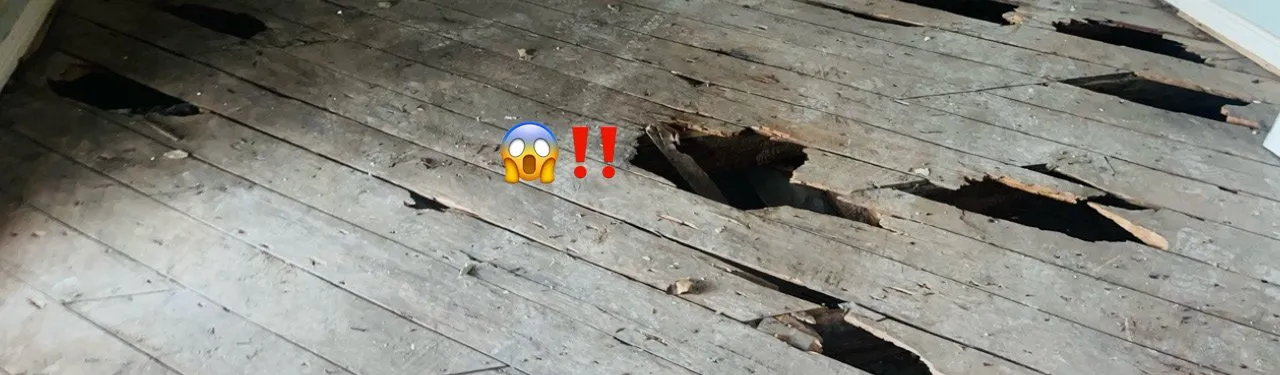

You’ve got that nagging feeling. Maybe you caught a whiff of something musty near the crawl space door. Or maybe you just can’t shake the thought of what might be happening under your feet, in the space you never actually look at.

Is it a real problem? Or is your brain just running worst-case scenarios again?
At Anchor Foundation Repair, we’ve worked on thousands of homes across the Brazos Valley. A lot of them showed years of water damage that nobody caught in time. Our recent rainy stretches have brought more water intrusion calls than usual, and we’d rather help you catch it earlier than watch it turn into a full foundation rebuild.
In this article, we’ll cover the signs of water damage you might notice in your home, and the most common ways water gets in. Then we’ll walk through how to keep it out, what to do if it’s already there, and how to keep an eye on things before the problem gets out of hand.
Do I Have Water Entering My Crawl Space?
Well, you probably DO have water getting into your crawl space if you’re reading this article at all. BUT to be thorough, let’s review the likely signs and sources so you can confirm your situation.
The Water Damage Signs You Might Notice
Some signs show up right in your living space. Others only turn up once you open the crawl space and look. Either way, you don’t need to be an expert to catch them.
Signs you might notice inside your home:
- A musty or earthy smell, especially in rooms closest to the ground
- Higher indoor humidity or condensation on windows
- Hardwood or laminate floors buckling, cupping, or feeling soft underfoot
- Mold or dark spots near baseboards or lower walls
- A musty smell that gets stronger after it rains

Signs you’ll notice in the crawl space itself (yes, you should look down there if you can):
- Standing water or mud on the ground
- Damp or sagging insulation hanging from the floor joists
- Mold, mildew, or white mineral buildup on wood or piers
- Soft, spongy, or rotting wood you can press your finger into
- Rust on metal ductwork, straps, or fixtures
- More bugs or pests than usual
One sign alone isn’t a crisis. Two or three at the same time means water is already intruding and making itself unwelcome.
The Most Common Causes of Crawl Space Water Damage

So now you’re like, “What’s causing this anyway?” Water can sneak into a crawl space in more ways than most homeowners realize. It’s rarely just one cause. Knowing the usual suspects is the next step to figuring out what’s actually happening under your crawl space or pier and beam home.
Here are the most common ways water finds its way in:
- A leak in a supply line, whether it’s copper, PVC, or PEX piping
- A broken or corroded drain line, common in older homes
- Sprinkler heads aimed the wrong way, or cracked irrigation lines
- Poor or missing gutters that dump water right at the edge of your home
- Heavy rain, especially with a yard that drains poorly
- Water moving underground, often guided by old tree roots
Plumbing leaks and bad gutters cause the most damage over time, simply because they never stop. A bad sprinkler head running for six months does more harm than one storm.
How Do I Prevent Water From Entering My Crawl Space?

Preventing water intrusion mostly comes down to controlling what happens outside your home. Most of these problems start above ground before they ever reach your crawl space. The good news is that a lot of this is within a homeowner’s control.
A few practical steps go a long way toward keeping your crawl space dry:
- Test your plumbing and fix any leaks right away.
- Walk your yard during irrigation cycles and check for sprinkler heads spraying toward the house or lines that may have broken underground.
- Install gutters if you don’t have them, and add downspout extensions to carry water further from the foundation.
- Regrade yard areas that slope toward the home so water flows away instead of pooling at the edge.

If your gutters and drainage are already in rough shape, our guide on keeping water away from your foundation with proper gutters is a good next stop. Staying on top of these basics won’t guarantee you’ll never see a drop of water under your home. But it lowers the odds a lot and sets up the most favorable conditions possible for a dry crawl space.
What Do I Do If I Already Have Water in My Crawl Space?
If you’ve confirmed there’s standing water or excess moisture in your crawl space, don’t panic. But don’t ignore it either. Here’s the order of steps that actually helps.
1. Remove the Standing Water

A portable sump pump works well for pulling standing water out from under your home. If it’s more of a dampness issue than actual pooling, set up a box fan at the crawl space opening facing outward, so it’s blowing air out rather than in. This pulls moist, stagnant air out of the crawl space and pulls in fresher air through vents to keep things moving in the right direction.
2. Give It Time to Dry
Here’s the part that catches a lot of homeowners off guard: drying out a crawl space, especially after heavy rain, can take a lot longer than expected. This isn’t a one-and-done afternoon job. Depending on how wet the soil got, it can take days or even weeks to fully dry out.
Plus, if it rains again while you’re waiting for things to dry, it could take even longer . . .
3. Schedule a Professional Assessment
Once you’ve handled the water removal, it’s worth having someone take a proper look. A standing water problem under your home that keeps coming back usually points to a bigger issue than one storm. Catching that now is a lot cheaper than catching it later.
So, What Can I Do to Detect This Early (The Next Time)?
Here’s the honest truth: there’s no foolproof way to catch every crawl space water issue before it happens. Part of owning a crawl space home is building the habit of checking on it yourself. That means popping open an interior hatch or an exterior crawl space door every so often.

We’d recommend a look at least quarterly, and monthly during wetter seasons, so you can catch early signs of foundation trouble or water accumulation and damage before they turn into something bigger. A crawl space moisture meter can give you an added alert if humidity spikes. But we wouldn’t recommend relying on one alone. There’s no substitute for actually getting eyes on the space yourself.
Ready to Get On Top of Crawl Space Moisture Now?
Water can get into a crawl space through plumbing leaks, bad drainage, irrigation mishaps, or just a heavy rain season. Once it’s in there, getting it out and dried out takes real time and effort. Catching it early, through prevention and regular checks, is the best defense you have.

Our crew has spent 40+ years crawling around under Brazos Valley homes. We’ve seen firsthand how quickly a small moisture issue can snowball into a costly repair if it goes unnoticed. We want you to feel confident knowing what to look for and when to call in help.
If you’re ready to dig deeper into long-term solutions for keeping your crawl space dry, check out our full breakdown on how to keep your pier and beam foundation or crawl space dry for the next step.logo
